Strengths
- Regional group transport
- Access to regional airports

Unable to load route estimates.
These route prices are estimates. The final quote will be provided by your manager and may vary depending on aircraft availability, travel dates, airport fees, and additional services.
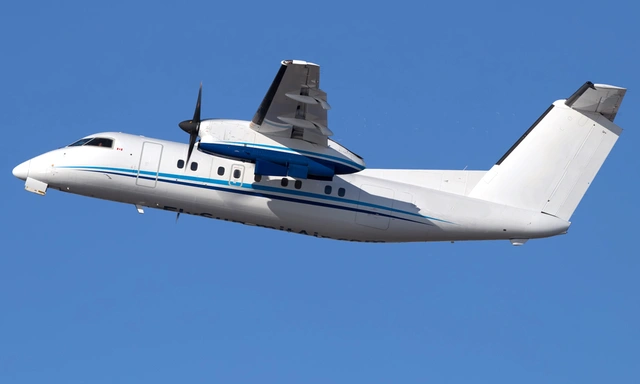
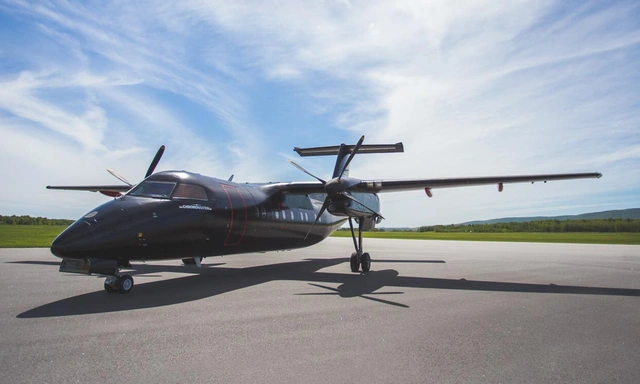
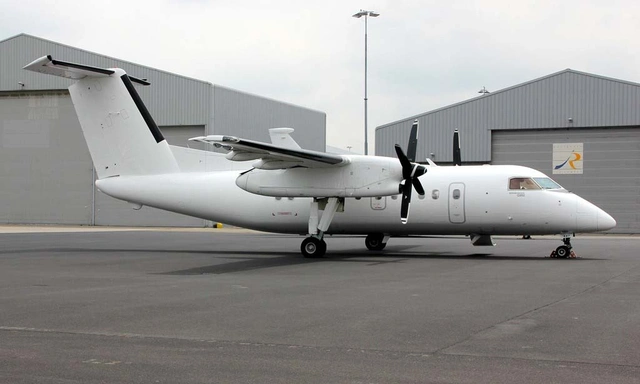
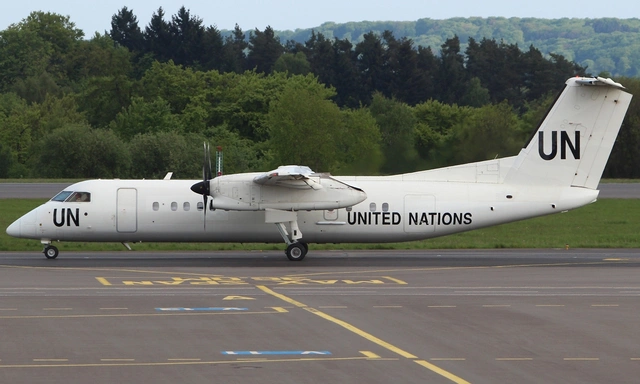
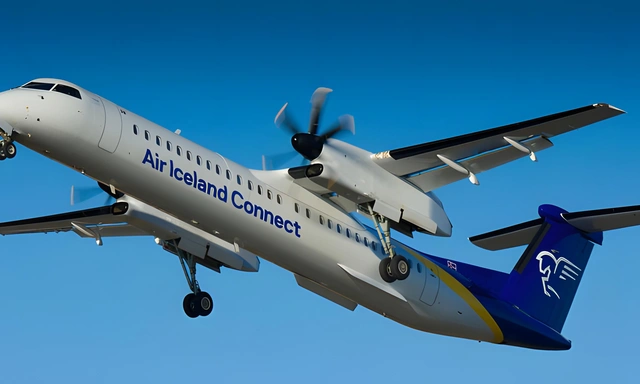
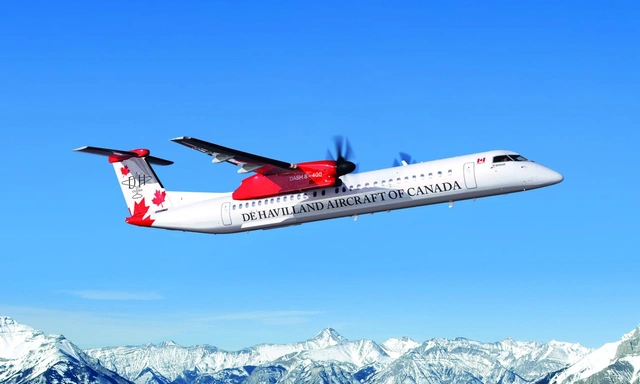
Are you a hater of cramped regional air travel? Here is a demonstration of the DHC-8-103, which is the turboprop that has changed the flight genre by reshaping the flying of short-hauls. No more wedging into the narrow cylinders with this workhorse it's a cabin experience that is almost like a larger jet. Once you step inside, the very first thing to meet your eyes is the absolutely wide space you breathe in - 2.51 meters width allows passengers to move freely, and the 1.95-meter ceiling makes an absolute claustrophobic feeling a stranger. With a length of 9.1 meters, it is possible to have 39 passengers onboard without feeling like sardines in a tin can, which is the case with some regional jets. Operators have a preference for the propeller engine's economy and also the fact that it is the best in the market when it comes to short fields. Do you want safe access to airports having not so much runway to offer? This Dash 8-103 is nothing but a winner with its range options. The maximum range of 1,889 kilometers means that the aircraft can be used for countless routes like connecting regional hubs with busy cities or linking the two directly to isolated destinations without any territorial problems. Think about the routes like Sydney to Melbourne, Calgary to Edmonton, or the various European feeder routes – all of which are completely achievable in the aircraft's proven operational range. Passengers feel the change instantly. Large perfect oval windows that are pleated with a light curtain brighten the cabin giving it an attraction that is more positive than older regional jets. Layouts of seats made with utmost thought bring comfort and practicality to the holidays which are surprising rather tolerable for the journeys that are even an hour long. The layout of the cabin will not contain first-class suites but the its design focus is primarily on fatigue management - due to the high headroom, smart aisle width, and less noise delivered compared to previous generations of turboprops, the onboard experience is largely influenced. Whether as airlines or charter operators, the aircraft remains a hero in regional networks' profit margins. It is built tough which means less maintenance and much more reliability in dispatch. The burn of fuel is far from being a problem as it is economical, and all the costs associated with operating are predictable. Pilots often point out the accurate maneuvering that the plane has and its relaxing cruising ability, especially on the landings to some difficult short strip. To sum up, DHC-8-103 is a true regional king: it absolutely delivers the comfort of the real passenger while it's an airframe made for the hard labor of the daily aviation. It has an extraordinarily rare mixture of operator efficiency and passenger satisfaction, by doing this it successfully demystifies the regional traveling meaning always being a little bit cramped or less reliable. Its revolutionary design and proven operational capabilities still make the aircraft a great idea for connecting different communities around the world even after many years.