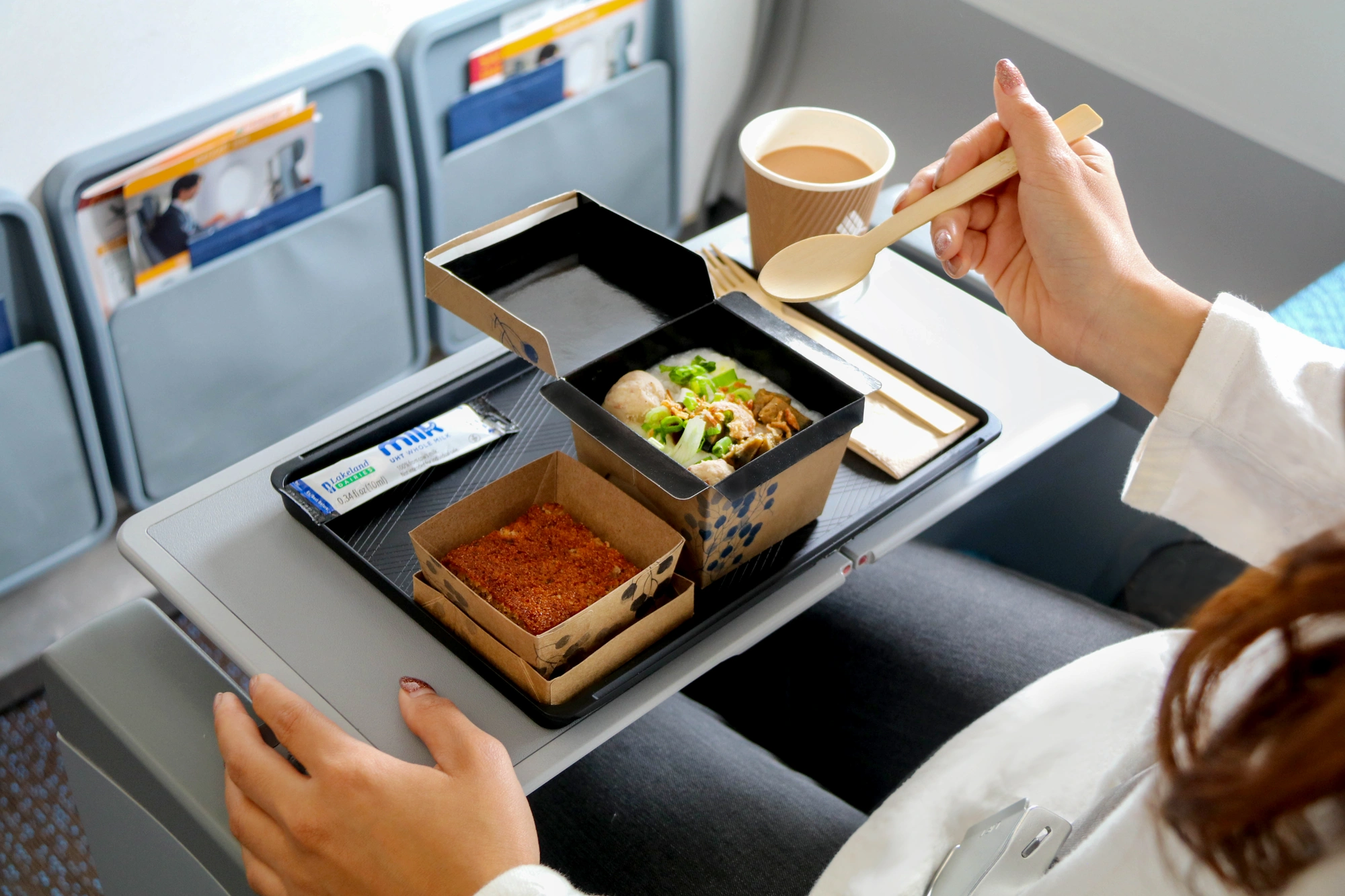











Inflight catering involves much more than simply preparing meals and serving them on a plane to meet food safety regulations; it requires working in confined spaces, adhering to strict schedules, and coping with the problems of serving food at high altitude. No matter whether the passengers are given a light snack or a full multi-course dinner, each item must be safely prepared, packaged, transported, stored, and served.
Private jet catering is particularly notable in this field since it combines the rigid routines associated with aviation with the more personal aspect of luxury service. Passengers may request meals from the favourite restaurant, food suitable for a medical diet, or dishes that conform to religious requirements. For these requests to be fulfilled safely and on time, flight operators, cabin crew, caterers, airport personnel, and other suppliers all have to cooperate.
Standards and safety in inflight catering
Safety plays a central role in all aircraft catering. Organisations such as the International Air Transport Association (IATA) and the Airline Catering Association (ACA) establish guidelines relating to hygiene, food handling, transport, and quality control. Furthermore, catering companies must comply with food safety regulations and aviation rules in each country and at each airport where they operate.
It is important to have these standards since aviation catering involves a great many stages. The ingredients may be obtained from various suppliers, then prepared in the catering kitchen, stored at the correct temperature, transported through the airport, and lastly loaded onto the plane. A mistake at any one of these stages could influence the quality of the food and on passenger safety.
Which is why traceability is so important; experienced caterers record the origin of their ingredients, find out who supplied them, note when the food was prepared, keep track of the storage temperatures and record the delivery details. They also stick to strict cleaning procedures to reduce the risk of contamination or spoilage. Large inflight catering companies, such as SATS, reinforce these safety measures with staff training, periodic inspections, clear procedures, and effective quality control systems.
The same rules hold true for private jets, even when the number of passengers is small. Fewer passengers do not mean that less care is required; on the contrary, private jet catering can be more difficult since the orders are usually very specific and may involve dealing with a few vendors or restaurants.
What is served on private jets
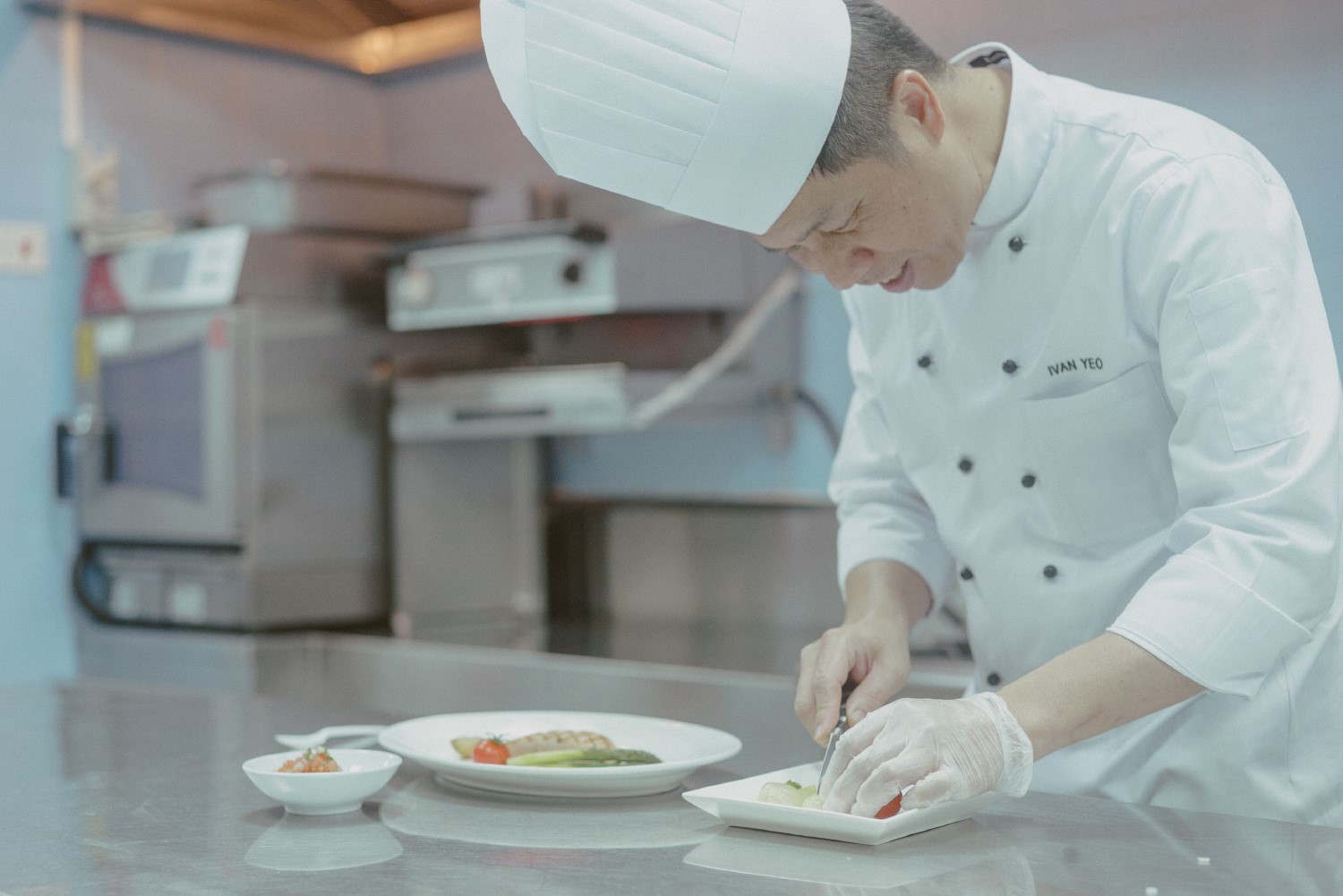
There is no fixed menu available on private jets. The food offered can be as basic as fruit, pastries, sandwiches, and snacks or as elaborate as premium seafood, special meats, handmade desserts, and good drinks. The type of food served will depend on the length of the flight, the time it is taking place, the passengers' preferences, and the capabilities of the plane's kitchen.
In the morning, coffee, tea, juice, yogurt, fruit, eggs and baked goods are usually provided. For short day trips, the only requirement is for light snacks or a cold platter. On longer flights, passengers are served appetizers, a main course, sides, desserts and snacks to eat between the meals.
Menus must also take into account how food tastes in the air, since lower pressure and dry air can affect people's ability to taste and smell food, prompting caterers to modify the seasoning, texture, or appearance of the dishes. Furthermore, meals have to remain tasty after having been transported, chilled, or reheated.
Above all, the type of food offered depends on the people travelling with you. A few passengers prefer comfort food, others are after meals that match restaurant standards, children may require simpler foods, regular flyers might have their own favourite dishes, and business travellers usually prefer food that is easy to eat when attending meetings. In the case of private aviation, the best meal is the one that suits the passenger's needs rather than the most expensive one.
Key differences between private jet and commercial airline catering
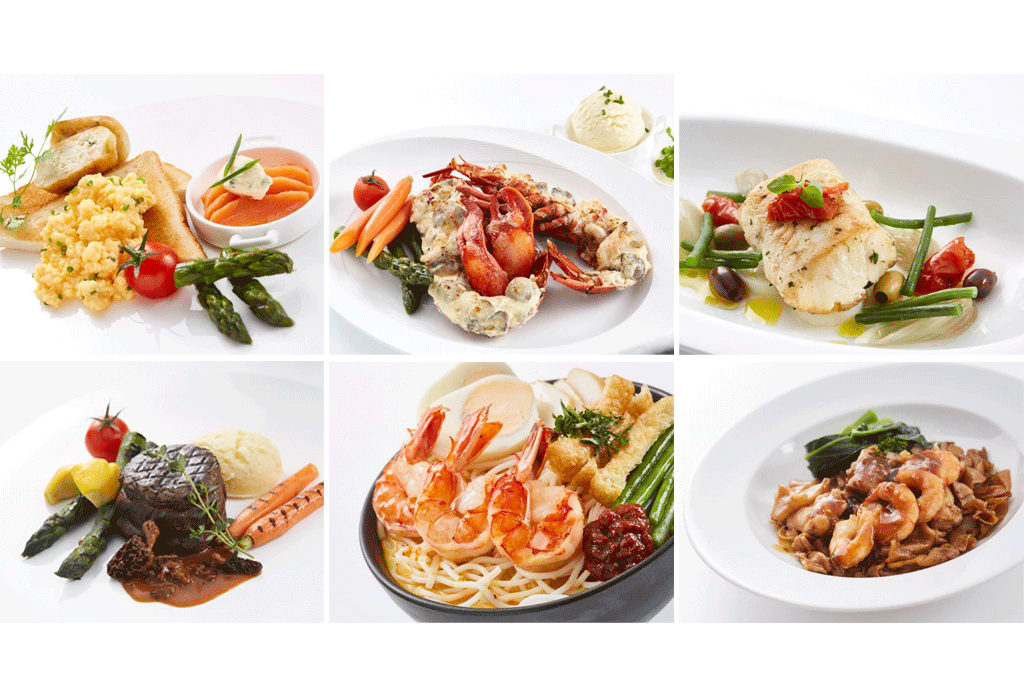
The food served on commercial airlines is primarily concerned with catering to a large number of people and maintaining consistency. Meals are prepared in large quantities, are predetermined for specific routes or cabin classes, and are loaded according to a fixed schedule. Although passengers may be given a few options, these are generally chosen in advance.
Catering for private jets is far more flexible since, with fewer passengers, meals can be tailored to each individual. The operators can consider personal tastes, allergies, dietary requirements, religious rules, cultural habits, age, and even the way someone likes their food to look.
The aircraft involved also has an effect on the menu. Although some private jets are equipped with full kitchens complete with ovens and a lot of storage space, smaller planes may have very limited room for cooling, reheating, or preparing food. Before accepting an order, the caterers and the crew have to be aware of these limitations since a meal that would be excellent in a restaurant might not turn out as good on a small plane.
Portion sizes and packaging have to fit the space and equipment on board. Cold meals often work better for short flights, while hot dishes need containers that fit the plane’s kitchen. Caterers also try to avoid strong smells, too much sauce, delicate garnishes, or bulky packaging. Private jet catering is tailored to both the passenger and the plane’s needs.
Behind the scenes of private jet catering operations
The catering process generally begins as soon as the flight details and the passengers' requirements have been established. The flight operator, the dispatcher, or a member of the crew then checks the departure airport, the schedule, the number of passengers, their dietary needs, any preferences regarding the menu, and any restrictions on the plane. After that, they select the appropriate catering provider.
The vendor you select will be based on factors such as airport access, security regulations, the range of locally available food, the quality of the service, the supplier's delivery record, and price. In some cases, operators choose well-known aviation catering companies, while in other cases they get their supplies from hotels, restaurants, or specialist food suppliers. It is also the airport rules that determine which vendors are allowed to deliver to the plane and how the deliveries are to be handled.
Timing is key. Food needs to arrive early enough to be checked, stored, and set up, but not so early that it loses freshness. Delays can happen because of traffic, security checks, gate changes, or new departure times. That’s why experienced operators choose vendors who know aviation routines and can respond quickly when plans change.
Last-minute changes often occur in private aviation, for example a passenger may join at the last minute, ask for a different meal or alter the time of their flight. There is sometimes the problem of a required ingredient not being available nearby. In such a case the catering team have to find a safe and timely alternative. Success in this situation relies on clear communication, good local contacts and knowing what can be achieved within the time available.
The passenger experience
For passengers, arranging catering for a private jet should be simple and effortless. All the planning, ordering, inspections, transportation, and preparation are carried out behind the scenes and what the passengers experience is a meal that matches their tastes, served at the time they desire, in a comfortable and private environment.
It is this personal touch that gives private aviation its unique character. Rather than having to follow a fixed timetable, passengers can choose when they want to eat. Meals can be arranged for business meetings, family holidays, celebrations, or simply for the purpose of relaxing. Moreover, the crew can alter both the way and the time at which they serve food to match the atmosphere on board.
The fact that special requests can be made shows how flexible the service is. For example, a caterer could recreate a favourite childhood dish, collect food from a particular restaurant, prepare a birthday dessert, discover a local speciality, or design a menu based on a wellness plan. While not all requests can be fulfilled at every airport, the goal is always to find the safest and best option that is available.
Luxury in this situation goes beyond offering rare foods or providing a sophisticated presentation; it also lies in the little things such as serving the correct drink, having a preferred snack brand, giving the right portion size, observing good timing, and providing quiet and attentive service. It is these small details that make passengers feel that they are being noticed and appreciated, not just treated as another customer.
Conclusion
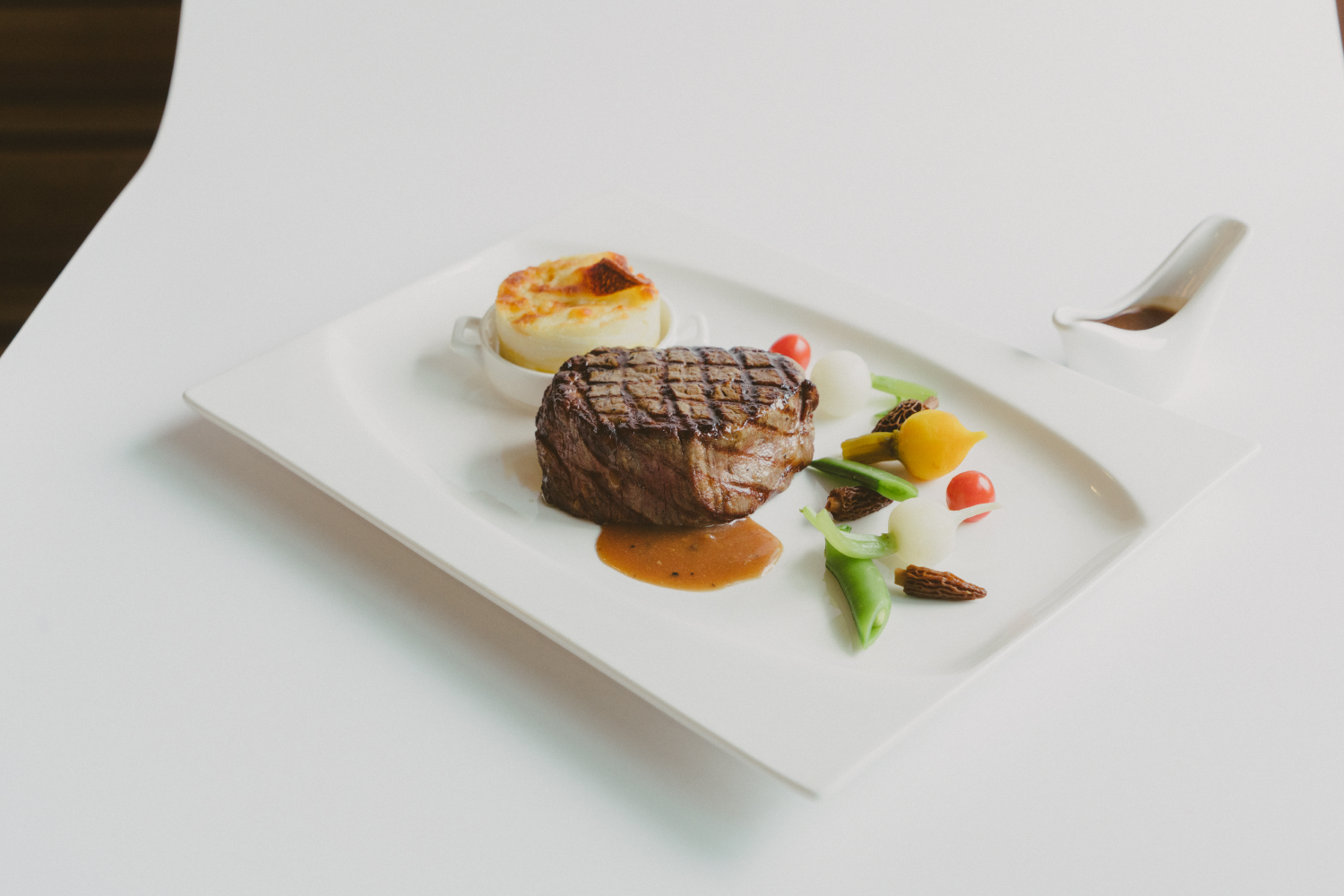
If it is done properly, private jet catering has a seamless effect. The luxury doesn't stem merely from the food, but from the care, the flexibility, and the attention to detail that are applied to arrange it. In this way, it illustrates the essence of bespoke aviation — that outstanding service works quietly in the background to ensure that flying is comfortable.