










Charter operators complain about slot coordination all the time — and honestly, for good reason. A last-minute flight into Heathrow? That can be nightmare territory. It might look like you want to fit your car into a packed parking lot where there’s no room. In theory, a space might open up. However, in practice, timing may not play in your favor.
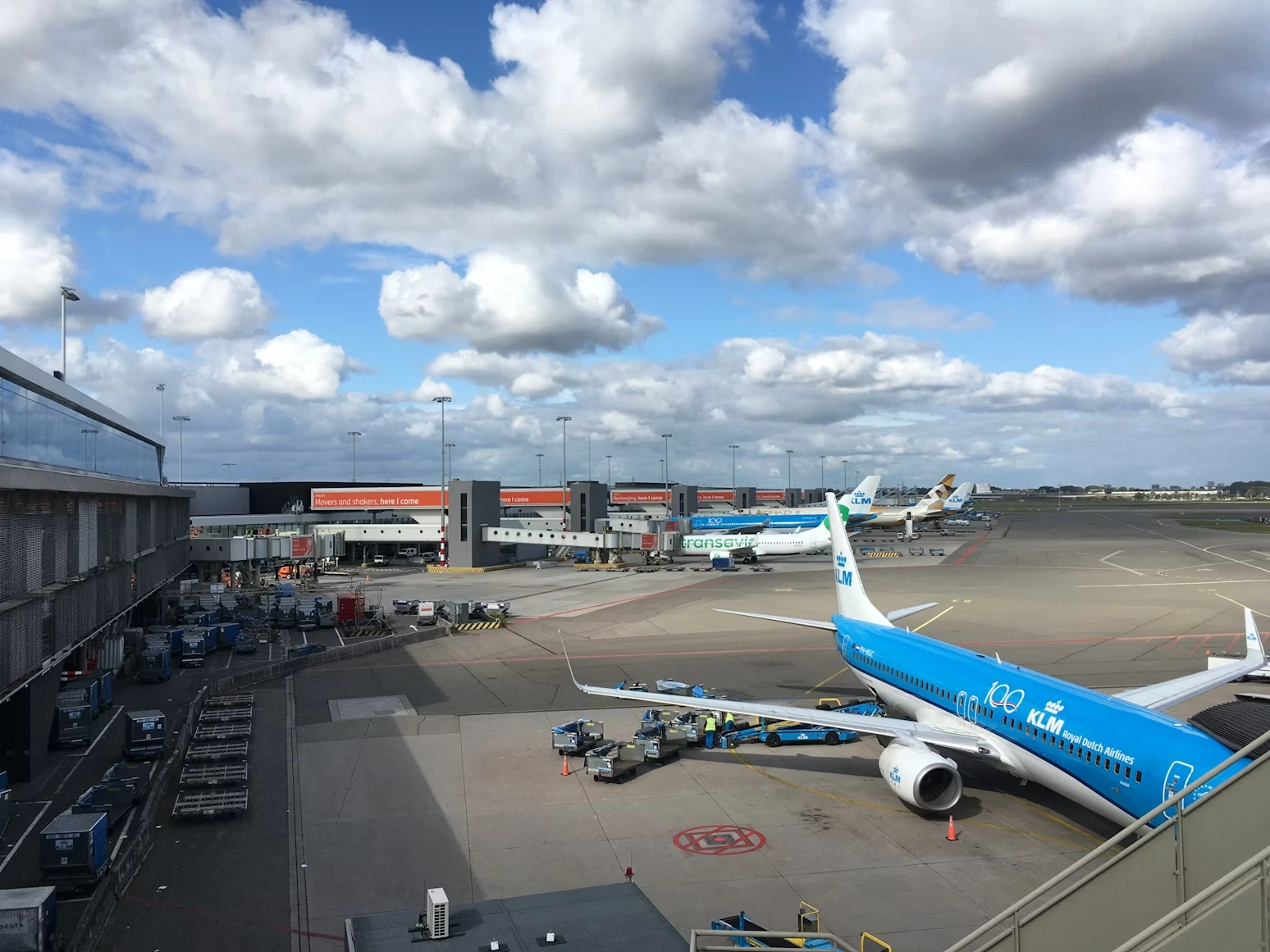
So why's Amsterdam always in the mix? Put it all together — slots, runways, handling — and Schiphol actually makes a pretty strong case for itself in the charter world. And that's a bigger deal than most people give it credit for.
Why slot availability actually decides everything
The airport's runway configuration matters less than its slot coordination system. Frankfurt's got four runways and is up there with Europe's busiest. Slots don't just get handed out — they're tied up in existing rights and capacity limits. That's a headache for ad-hoc and charter operators who want specific times, especially when everyone else is fighting for the same window.
At Amsterdam International Airport, Airport Coordination Netherlands is the independent coordinator responsible for allocating airport slots. For charter operators, that means last-minute slot requests aren't automatically out of the question — if there's capacity, they can often make it work. No guarantees, though. Seasonality, traffic, and operational restrictions all have a say in the matter.
Runway capacity
Schiphol has six runways, which is more than Frankfurt. It sure does have six runways, technically, but most of the time they're only using two: one for landing, one for takeoff. During peak hours, they can open a third or fourth just to cope with the rush. Historically, the cap was set at 500,000 annual movements. But current noise regulations have brought that down to 478,000. For context, Paris Charles de Gaulle operates with four runways and similarly strict environmental rules.
So the upside is that they've got options when things get chaotic. The downside is that some of those runways — particularly the remote Polderbaan — are miles from the terminal. That’s why taxiing can take longer. But honestly, the ability to adapt runway use based on weather and traffic is a huge plus when the airport's under pressure.
Ground handling and the charter experience
The quality of ground handling can vary greatly. Charter operators feel this way more acutely than airlines that operate scheduled flights. It is the way it is just because charter carriers rarely have the same standing arrangements with ground handling companies that traditional airlines build and negotiate over many years.
When you’re comparing options, take a look at a few things:
• Amsterdam International Airport has a competitive ground handling market with multiple certified providers, though they’re planning to reduce their number in the coming years. So for charter operators, availability and pricing really come down to what services you need and who you're getting them from.
• Munich has a top-notch reputation for efficiency. However, not every part of ground handling has a ton of competition. The best handler for one operation might be completely wrong for another.
• Zurich really nails the service part. Ground handling is priced separately from airport charges. So, the total cost can be different from one operation to another.
Those things don’t mean you should exclude smaller or pricier hubs from your list. Charter planners can't just apply a one-size-fits-all approach. They've got to assess handling requirements per flight. Aircraft type, turnaround time, parking, passenger services — it all varies between operations, so you've got to stay on your toes.
Unpredictable weather
People always forget about weather, but it’s of paramount importance. Schiphol is below sea level. Most people don’t realize it, but fog can be a real issue in the colder months. It can cause capacity restrictions, delays, diversions, and cancellations. That’s why charter planners need to have a backup plan. In comparison, Istanbul is a place where the wind is an important operational factor. Strong crosswinds can interfere with operations. We’re talking about runway changes, delays, and so on.
Organizing charter routing
So where does that leave someone actually booking flights? There’s no definite answer because much depends on what the charter needs. The best choice depends heavily on the specifics. If you’re a charter planner, you should compare different factors for each operation. Because it’d be wrong to assume that one hub will always be the fastest or cheapest.