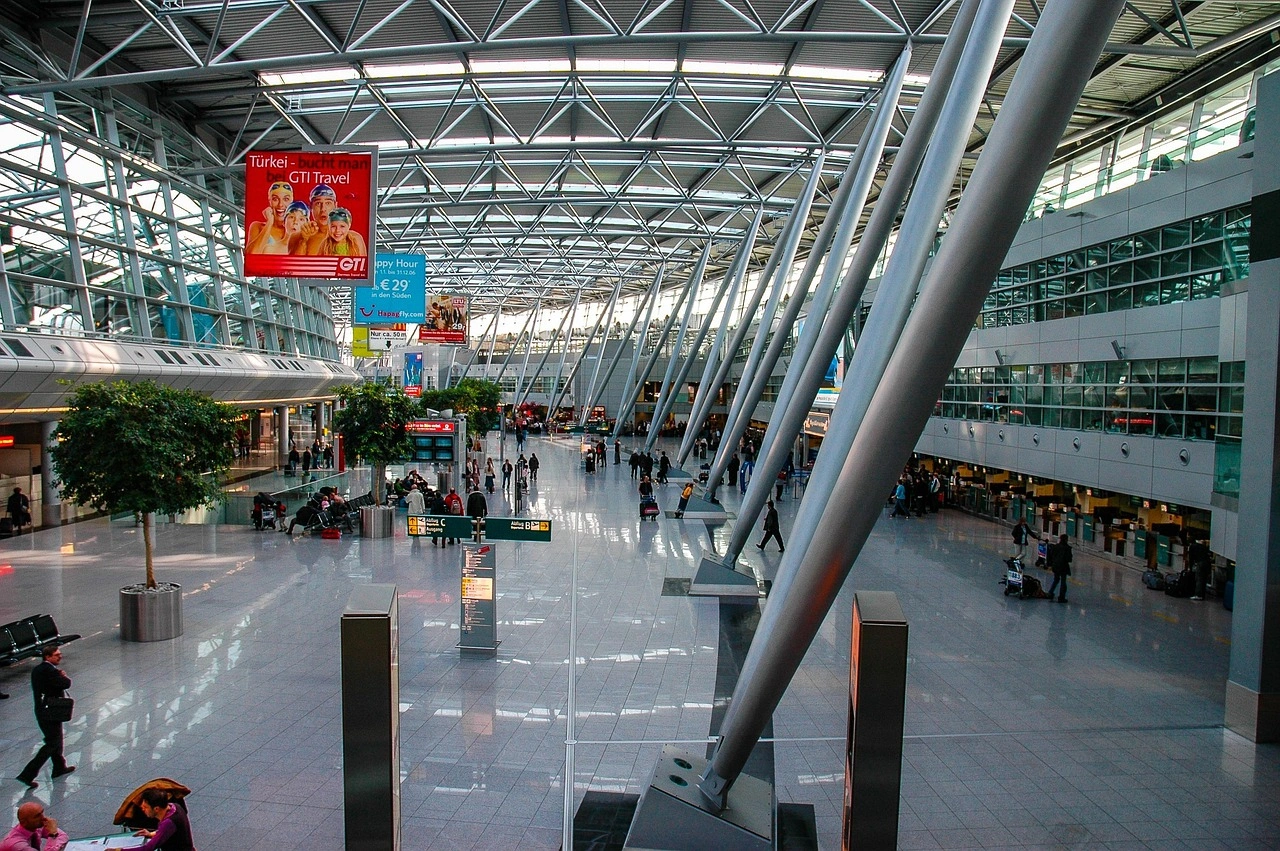











Every day, hundreds of thousands of passengers pass through Istanbul International Airport. As one of the world's busiest aviation hubs, it connects travelers across Europe, Asia, the Middle East, and Africa. From the outside, it may seem like organized chaos. Yet, behind the scenes, an enormous network of technology, planning, and coordination keeps everything moving. So, how does an airport of this size handle such high traffic without grinding to a halt? Here is a closer look.
A Strategic Location Helps
One of the biggest advantages of the Istanbul International Airport is its location. It is located between Europe and Asia. The airport is a natural gateway for transfer passengers, who ply between continents.
Built for Growth
Istanbul International Airport was designed keeping future demand in mind. There are multiple runways, wide taxiways, and spacious terminal areas, which reduce congestion during busy periods. Aircraft can move from one part of the airfield to the other and from the gate to the aircraft room, etc., more efficiently. Meanwhile, travelers enjoy shorter walks than they would see at an airport of this magnitude. The airport is also designed to be expandable, with multiple pods that can be added on as the number of passengers increases.
Five Systems That Keep Traffic Moving
Managing one of the world's busiest airports takes more than extra runways.
Every day, thousands of employees and advanced technologies work together to keep flights on schedule. Here are some of the most important elements:
● Multiple runways and taxiways that reduce aircraft waiting times and improve traffic flow.
● Real-time flight operations software that helps coordinate arrivals, departures, gate assignments, and aircraft movements.
● Automated passenger services, including self-service check-in, bag drop, and e-passport control to shorten queues.
● Modern baggage handling systems capable of processing thousands of bags accurately and efficiently every hour.
● Continuous coordination between airport teams, airlines, air traffic control, ground handlers, customs, and security personnel to quickly respond to operational changes.
Together, these systems allow the airport to handle large passenger volumes.
Efficient Passenger Processing
Passenger experience plays an important role in managing traffic. Self-service check-in kiosks, automated bag-drop facilities, electronic passport control, and digital flight information systems all help reduce queues during peak travel periods. The airport gives passengers more self-service options. Thus, its staff can focus on assisting travelers who need additional support. For connecting passengers, clearly marked transfer routes and centralized security procedures help streamline international connections.
Supporting Business Aviation
The commercial airline companies operate the majority of the aircraft, however, Istanbul International Airport is also offering private/business aviation. Business travelers make an easy breezy affair of the airport with dedicated handling services, executive lounges, Customs priority and fast-track and priority ground transport services. Operators should be aware of assisting the ground handlers, airport authorities, and flight planners in making sure that the planes are turned around as efficiently as possible.
Looking Ahead
There is still a growth in passenger numbers. Thus, airports worldwide are subjected to growing demands to implement efficient systems that do not diminish safety or service quality. The Istanbul International Airport is taking action. It spends on technology, infrastructure, and fine-tunes its working mechanisms. High traffic is no easy thing to deal with. But, as Istanbul International Airport has shown, with intelligent design, cutting-edge infrastructure and technology, even the busiest of aviation hubs can remain efficient. That translates to reduced delays, easier connections and, for passengers, a better flying experience for airlines, business aviation operators.