










By Matt Hogan, Founder, Hogani Jets
Aspen is one of the most rewarding places to fly a client into. It can also be an absolute nightmare on its worst days. Bad wind direction, snowstorms, peak-season congestion, limited parking, scheduling restrictions and special event fees that seem to come up more often every season all make it one of the hardest airports to manage for a client. None of that is a secret to anyone who has flown there. But it's exactly why the conversation with the client matters as much as the flight itself.
What Makes Aspen So Unpredictable
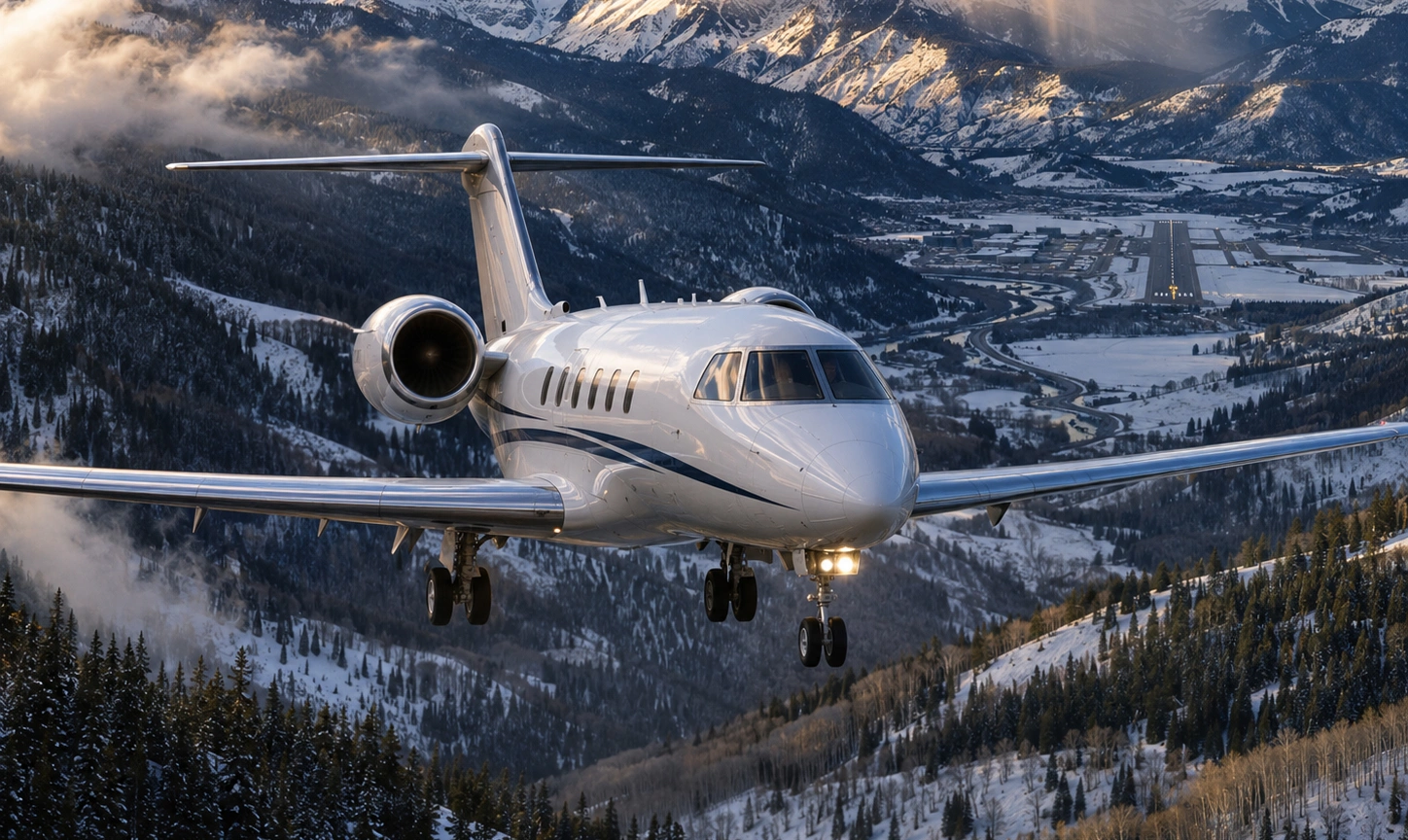
Aspen sits in a narrow mountain valley, and the airport has very little room for error. When the wind isn't in the right direction, aircraft can't land, and that can change from one hour to the next. Add winter storms, and you can go from a clear approach to a diversion with very little warning. Then there's demand.
During the busiest weeks of the season, the airport gets congested, parking is limited and scheduling gets tight, and special event fees are becoming more common. A trip that looks simple on paper can have a lot of moving parts once you get into the details.
A Recent Trip That Proved The Point
We recently had a client waiting in Aspen for their flight. The aircraft coming in to pick them up was diverted on approach to Rifle because of the winds at Aspen, so we put the client in a car and started driving them over to meet it. Not more than 45 minutes later, we got a call from the client. A forest fire was blocking the road, and they couldn't get to Rifle.
So we sent them back to Aspen. By then, the winds had changed once again, and we were able to get a new aircraft into the airport. The client ultimately understood. They had been to Aspen before and knew what the airport can be like. But that understanding didn't come from nowhere. It came from the conversation we had before the trip ever started.
Set Expectations Before The Trip, Not During It
The best time to talk about what can go wrong at Aspen is when you're booking the flight, not when the aircraft is circling. With frequent flyers, an honest and authentic joke about the airport can be a great way to start that conversation. Most of them already know Aspen's reputation, and a little humor makes it easier to talk openly about diversions, alternates like Rifle and Eagle, and what the plan looks like if the weather doesn't cooperate.
For first-time visitors, it's worth being a bit more direct. Explain why delays and diversions happen, what the backup options are, and that the plan may change on the day.
Book The Right Aircraft
Communication only goes so far if the aircraft isn't right for the trip. Aspen has real performance demands: high elevation, challenging approaches and winter conditions. Not every aircraft that can make the distance is the right fit for that airport on that day. Getting the aircraft choice right up front saves a lot of problems later, and it gives you more options when the weather changes.
The Broker's Job
A broker's mission is to anticipate every issue that could reasonably come up, explain it honestly, and let the client make an educated decision. Communicate proactively, book the right aircraft, and the client will thank you over the long term. Aspen will still be Aspen. But a client who knows what to expect will handle a diversion very differently from one who's hearing about it for the first time on approach. For more on planning this trip, see our New York to Aspen private jet charter page.