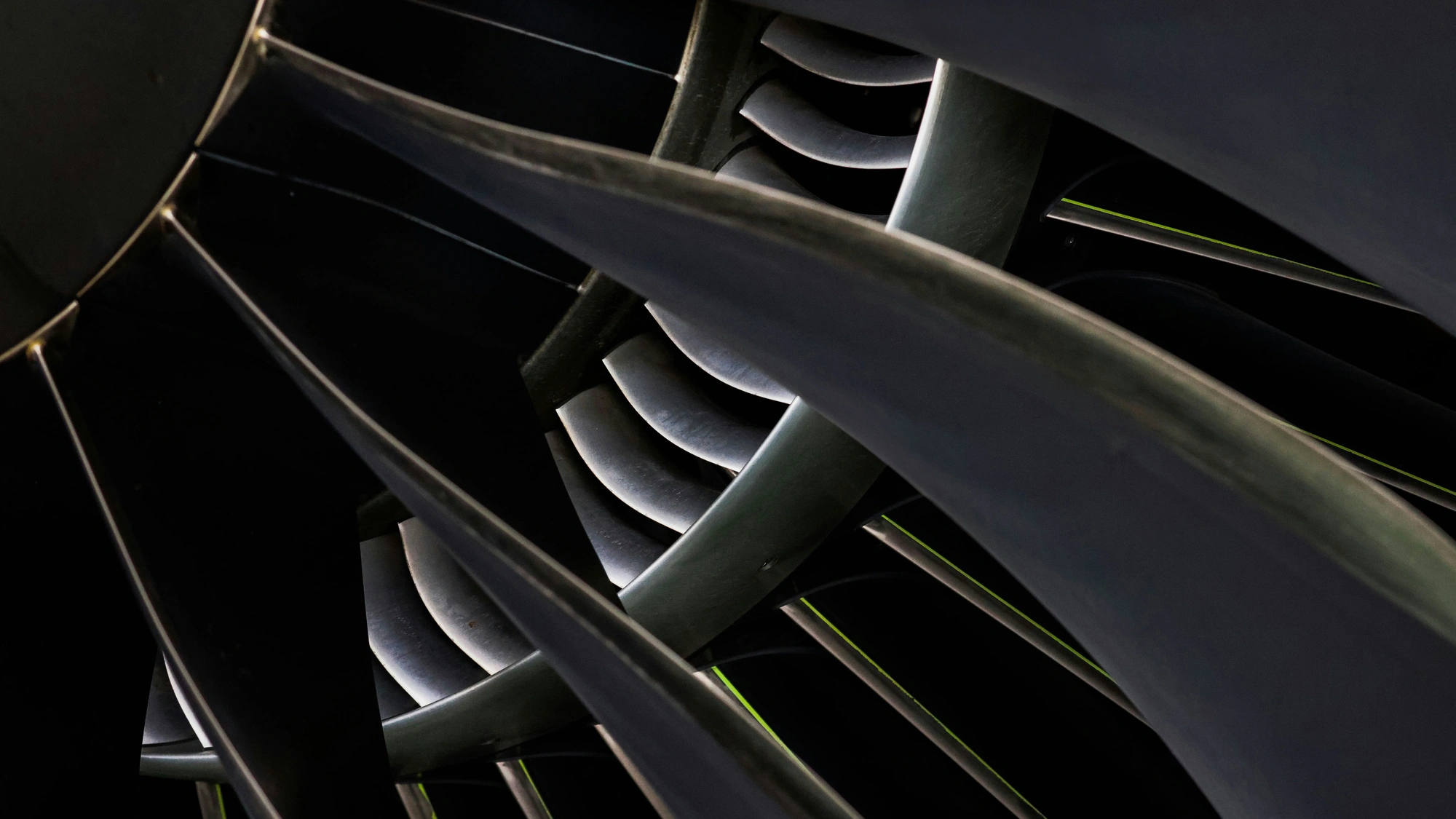











Aircraft components face punishing conditions from the moment an engine starts. Heat, friction, vibration, and corrosive environments all work against long service life. Thermal spray coatings have become a popular strategy in aerospace manufacturing and maintenance because they create durable surface layers that protect important parts without altering base material geometry.
In an industry where downtime carries massive cost implications, surface protection directly influences operational confidence and fleet readiness.
Modern aerospace systems rely on precise tolerances and predictable performance. Surface degradation threatens both. Coatings applied through thermal spray processes act as sacrificial or protective barriers, slowing wear mechanisms that would otherwise shorten component life.
This approach supports long-term reliability while allowing original parts to remain in service longer.
In aeroengine applications, thermal spray layers are often selected to resist high-temperature oxidation and hot gas erosion, especially in turbine and compressor sections.
Within thermal spray coatings and aerospace, surface engineering has grown into a mature discipline supporting fixed-wing, rotorcraft, and space-bound systems.
Many aerospace platforms use popular surface coatings that balance hardness, thermal resistance, and adhesion without adding excessive weight. Selecting appropriate coating materials depends on operating temperature, mechanical load, and environmental exposure.
Why Aerospace Components Degrade Faster Than Expected
Aerospace parts operate under extreme mechanical and thermal stress. Turbine blades, bearing journals, and structural interfaces all face constant exposure to heat cycles and high-velocity airflow.
Even advanced alloys gradually lose surface integrity through oxidation, abrasion, and fatigue-related microcracking.
High temperatures accelerate diffusion processes at the surface.
Oxidation layers form, flake, and expose fresh metal beneath. Particulate ingestion during flight creates localized erosion. Vibration introduces fretting wear at contact points.
Over time, these effects compound and lead to dimensional loss or crack initiation.
Replacing entire components due to surface damage alone is inefficient. Many parts retain strong core integrity while their outer layers fail first. Thermal spray technology helps conquer this imbalance by reinforcing surfaces without redesigning the underlying component.
How Thermal Spray Processes Support Aerospace Reliability
Thermal spray methods involve propelling molten or semi-molten material toward a prepared surface. Upon impact, particles flatten, cool rapidly, and bond mechanically or metallurgically. The result is a dense coating with properties specific to the application.
Different spray techniques support different performance goals. Plasma spray handles ceramic systems for thermal resistance. High velocity oxygen fuel spraying produces dense metallic layers with strong adhesion.
Cold spray deposits ductile metals without excessive heat input, preserving substrate properties.
In aerospace environments, coating consistency matters. Uniform thickness and predictable microstructure lead to stable performance under load. Coatings also allow worn parts to be rebuilt rather than discarded, extending asset value across multiple service cycles.
Material Selection and Surface Performance
Material choice shapes coating behavior.
Ceramic coatings resist heat transfer and oxidation. Metallic alloys handle wear and corrosion. Composite systems combine hardness with toughness, allowing surfaces to resist cracking under vibration.
Aluminum and nickel-based coatings often appear on structural components exposed to atmospheric corrosion. Tungsten carbide systems protect high-wear areas such as landing gear and actuator rods. Ceramic topcoats reduce heat flux in turbine sections, supporting fuel efficiency and thermal control.
Each material responds differently to service conditions. Aerospace engineers evaluate adhesion strength, thermal expansion compatibility, and fatigue response before selecting a coating system. Matching material behavior to operational demands reduces premature failure risk.
Extending Service Intervals Through Surface Engineering
Longer service intervals reduce aircraft downtime and maintenance costs. Surface degradation often triggers inspections and part replacement long before structural failure would occur.
Thermal spray layers slow degradation rates, keeping components within acceptable tolerance ranges longer.
For rotating assemblies, maintaining surface geometry directly affects balance and efficiency. Coatings reduce uneven wear that can introduce vibration. For static components, corrosion resistance preserves joint integrity and fastener seating.
Airlines and defense operators benefit from predictable maintenance schedules. Coated components show slower wear trends, allowing planners to rely on data rather than reactive repairs. This stability supports operational planning across entire fleets.
Aerospace Safety and Regulatory Alignment
Aerospace systems operate under strict regulatory oversight. Any surface treatment must meet performance and documentation standards. Thermal spray coatings fit within existing qualification frameworks when applied through controlled processes.
Coating thickness, adhesion strength, and porosity are measurable attributes. Non-destructive inspection methods verify bond quality and detect defects before parts enter service. This transparency supports certification requirements and ongoing airworthiness compliance.
Reliable coatings also reduce the likelihood of in-service failures. Surface-related malfunctions can cascade into larger mechanical issues. Preventing early-stage degradation supports overall system safety and confidence.
Environmental and Economic Considerations
Sustainability has become a growing concern in aerospace manufacturing. Extending component life reduces material consumption and waste generation. Thermal spray repair techniques allow parts to be reused rather than scrapped, lowering environmental impact.
Economic benefits follow. High-value aerospace components represent considerable capital investment. Restoring worn surfaces costs less than replacing entire assemblies.
Over time, coating programs contribute to lower lifecycle costs across fleets.
Energy efficiency also benefits indirectly. Well-maintained surfaces reduce friction and thermal losses. Engines operating with stable thermal barriers maintain design performance longer, supporting fuel efficiency goals.
What’s to Come in Aerospace Coating Technology?
Research continues to refine coating microstructures and deposition methods. Nanostructured coatings offer improved toughness and thermal stability. Hybrid systems combine multiple layers to deal with complex service environments.
Automation and process monitoring improve repeatability. Real-time diagnostics during spraying allow tighter control over coating quality. These advances support wider adoption across aerospace platforms.
As materials science advances, thermal spray coatings will continue to adapt. New alloys and ceramic compositions expand performance envelopes, bolstering next-generation aircraft and propulsion systems.
Reliability Through Surface Investment
Aerospace reliability depends on protecting the surfaces that face the harshest conditions. Thermal spray coatings represent a strategic investment in longevity rather than a temporary fix.
By managing wear, heat, and corrosion at the surface level, aerospace operators preserve component integrity and operational confidence.
Organizations that prioritize advanced surface engineering gain longer service life, fewer unexpected failures, and stronger compatibility with maintenance planning goals.
In an industry where margins for error remain small, surface protection plays a decisive part in sustaining reliable flight.